Week 11: Stop development, I want to get off: Has growth gone too far?
DVST 6901: The global politics of development (Semester 2,
2026)
October 19, 2026
An independent nation in a postcolonial world can be anything it wants to be. So why on earth would you want to be like this? If the goal is wellbeing, how do we avoid the social diseases in the so-called developed world?
Main reading: Rivero (2019), intro. and chap. 6
Padlet time: Progress on projects
Go to: https://padlet.com/sydney/progress-reports-on-your-projects-s024n2lgwhxgdkpb2emg
Opposing megaprojects
- The Kayapo people and the Belo Monte dam
- Narmada Bachao Andolan and the Sardar Sarovar Dam
- The Purari Action Group and the Wabo Power Project
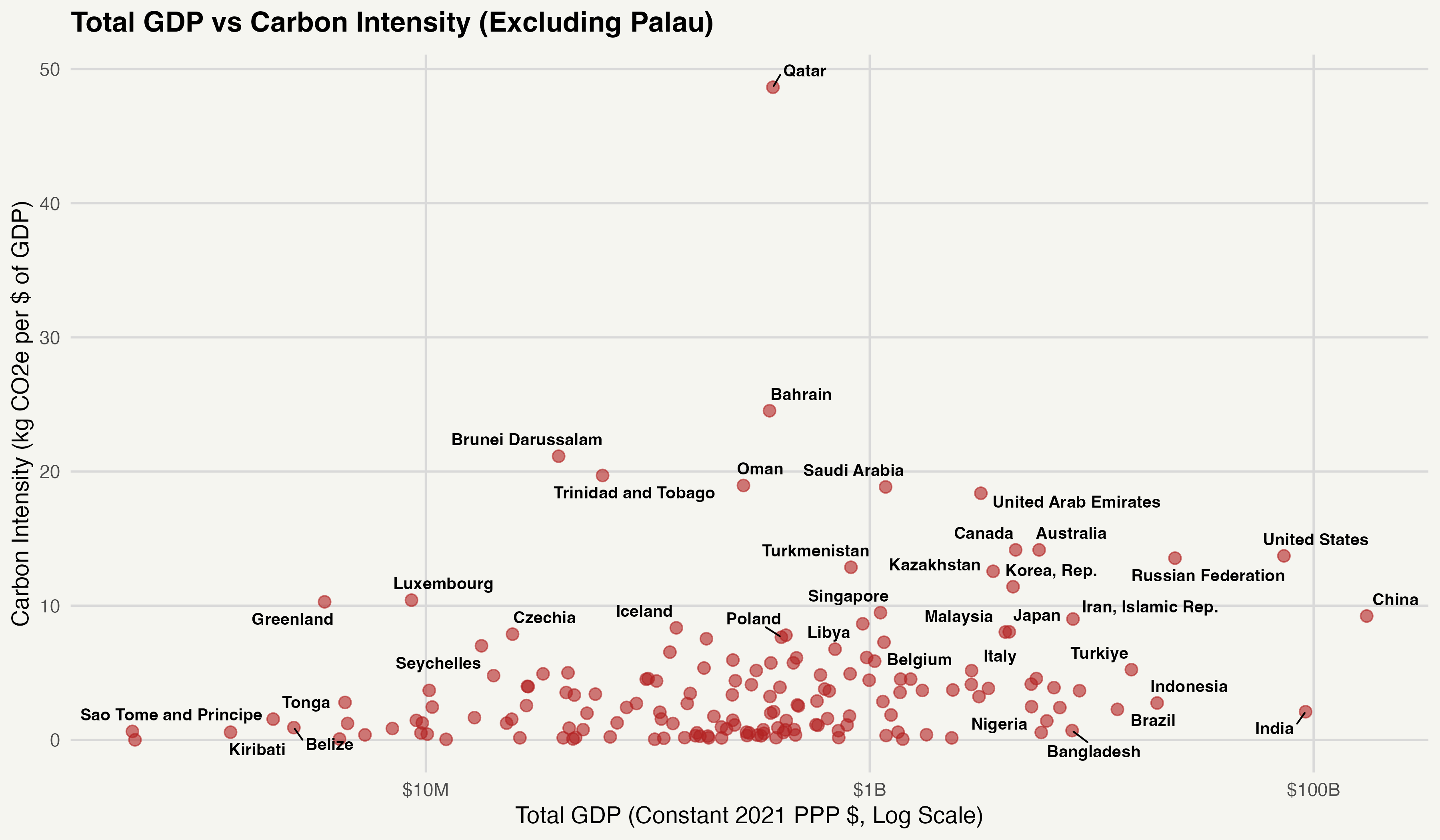
More money, more pollution?
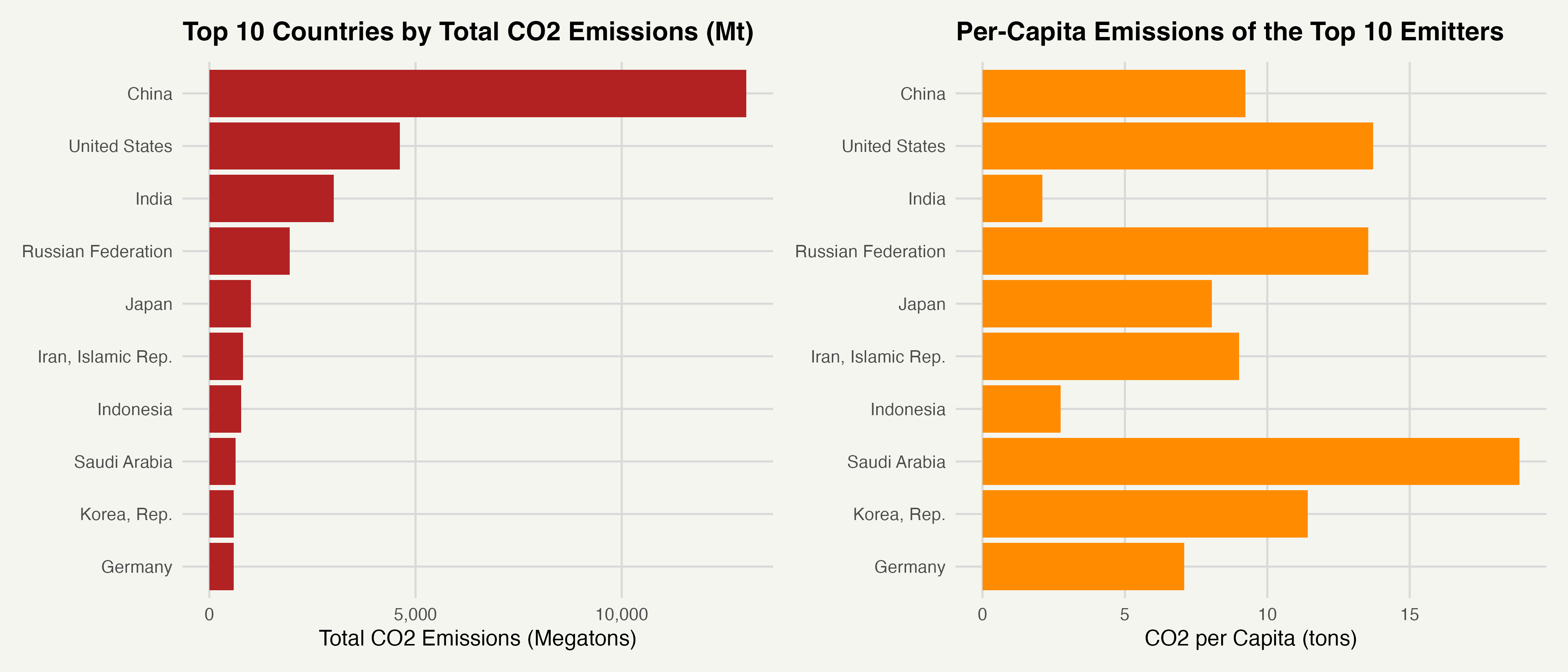
The size of the pie does not mean that the pollution bill is higher
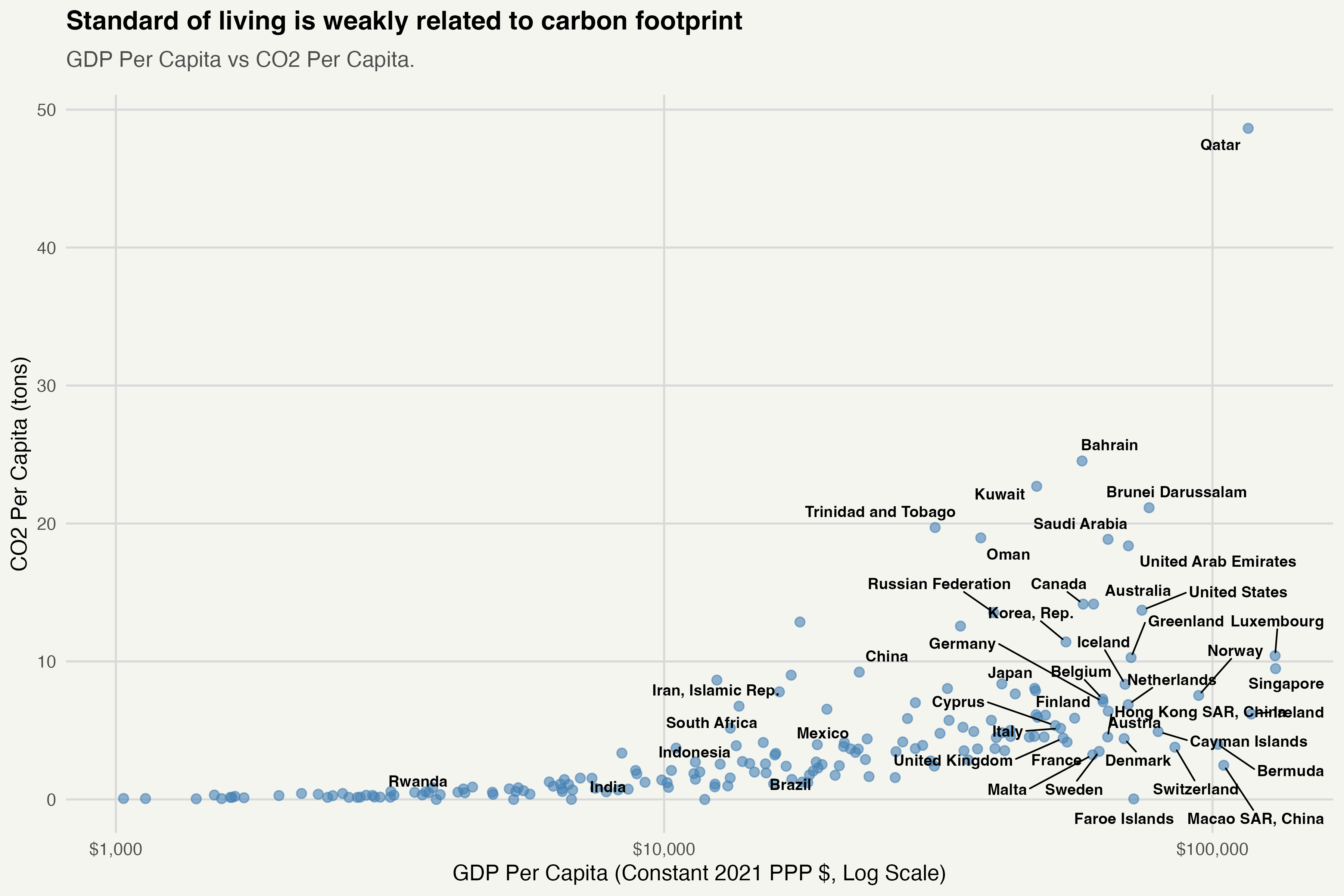
The size of the pie does not mean that the pollution bill is higher
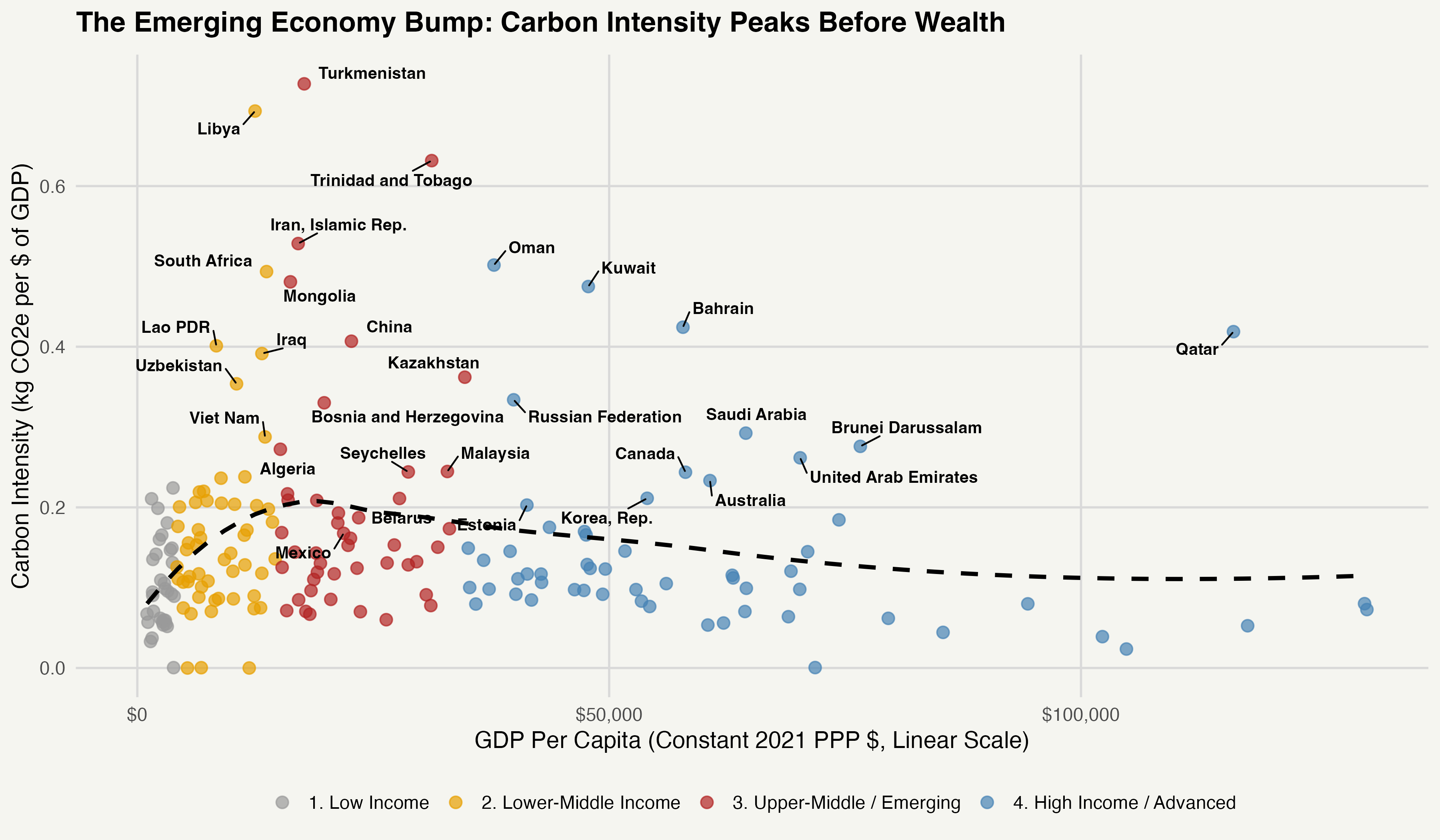
Is having a dirty economy like pimples for teenagers? Is it just a (developmental) phase?
Tuvalu and Australia
And here is a link to a map of Tuvalu: https://maps.app.goo.gl/1isyxJY7oipkF3dG9
What will development for Oceania be in the future
A group of small developing countries led by Vanuatu recently argued before the International Court of Justice as it was considering its advisory opinion on the obligations of states to prevent climate change.
- They offered testimony collected from all over the world to document
all the different ways people and communities have been harmed by the
effects of climate change. Climate change has already created
- Greater poverty
- Greater risk to health
- Lack of freedom to pursue a good life
- They offered testimony collected from all over the world to document
all the different ways people and communities have been harmed by the
effects of climate change. Climate change has already created
Tuvalu and Australia have recently negotiated a new treaty in which Australia would issue 280 visas per year to people of Tuvalu. As of 2026, 90% of Tuvaluans have applied for these visas.
- If all of these applications are accepted and the full quota is met every year, then by 2040 more than half of Tuvalu’s population will be living outside of Tuvalu (making it not unlike Tonga and Samoa).
Question: Do these two cases have anything in common on a more general level about what they indicate about what development means now?
After a certain point, you can’t make the pie higher
Oswaldo de Rivera argues that certain economies are “nonviable” and cannot develop their way to an adequate livelihood for their population, let alone affluence.
Do you agree?
Notes for class
Keywords
degrowth
Learning outcomes
- Make connections between the history of radical critiques of development and contemporary critiques of capitalist accumulation and growth